
Fire doors supplied and fittedfor flats and communal entrances acrossKent, London and Surrey
Certified FD30 and FD60 door sets installed complete with the frame, intumescent seals, closer and ironmongery that the certification depends on, for a fixed written price.
Certified door sets · £5m Public Liability · 10-year workmanship guarantee
What we do, fire doors
A fire door is not simply a heavier door. It is a tested door set, leaf, frame, intumescent and smoke seals, hinges, closer, latch and letterplate, certified as an assembly to hold back fire and smoke for a stated period, normally 30 minutes (FD30) or 60 minutes (FD60). Change any part of that assembly and the certification no longer holds. We supply and install complete certified door sets so the door on site matches the door that was tested.
This service is mainly for owners of flats and maisonettes needing a compliant front entrance door, for landlords and HMO operators meeting their obligations on escape routes, and for managing agents and freeholders replacing communal entrance and lobby doors. We also fit fire doors internally where a garage, loft conversion or integral door needs to meet building regulations. We work across Kent, London, Surrey, Essex and the wider South East.
Installation is where most fire doors fail in practice. Gaps around the leaf have to be within tolerance, intumescent seals must be continuous and correctly positioned, the frame has to be fixed and packed with non-combustible material at the right centres, hinges must be the correct grade and count, and the closer must actually shut the door onto the latch every time. We fit to the manufacturer's certified instructions and hand over the documentation, which is what a fire risk assessor, insurer or freeholder will ask you for.
A snapshot of recent Swift installations
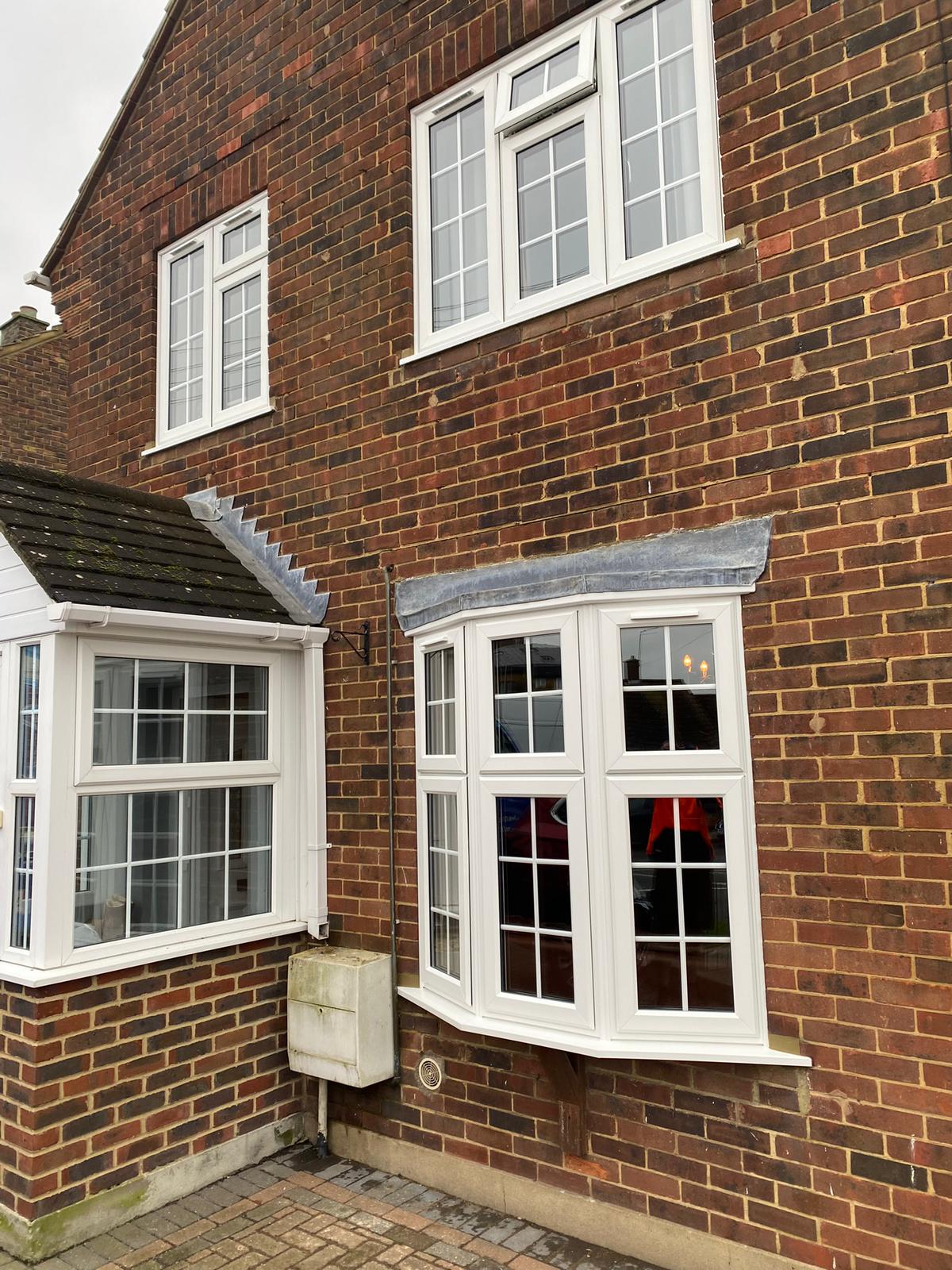
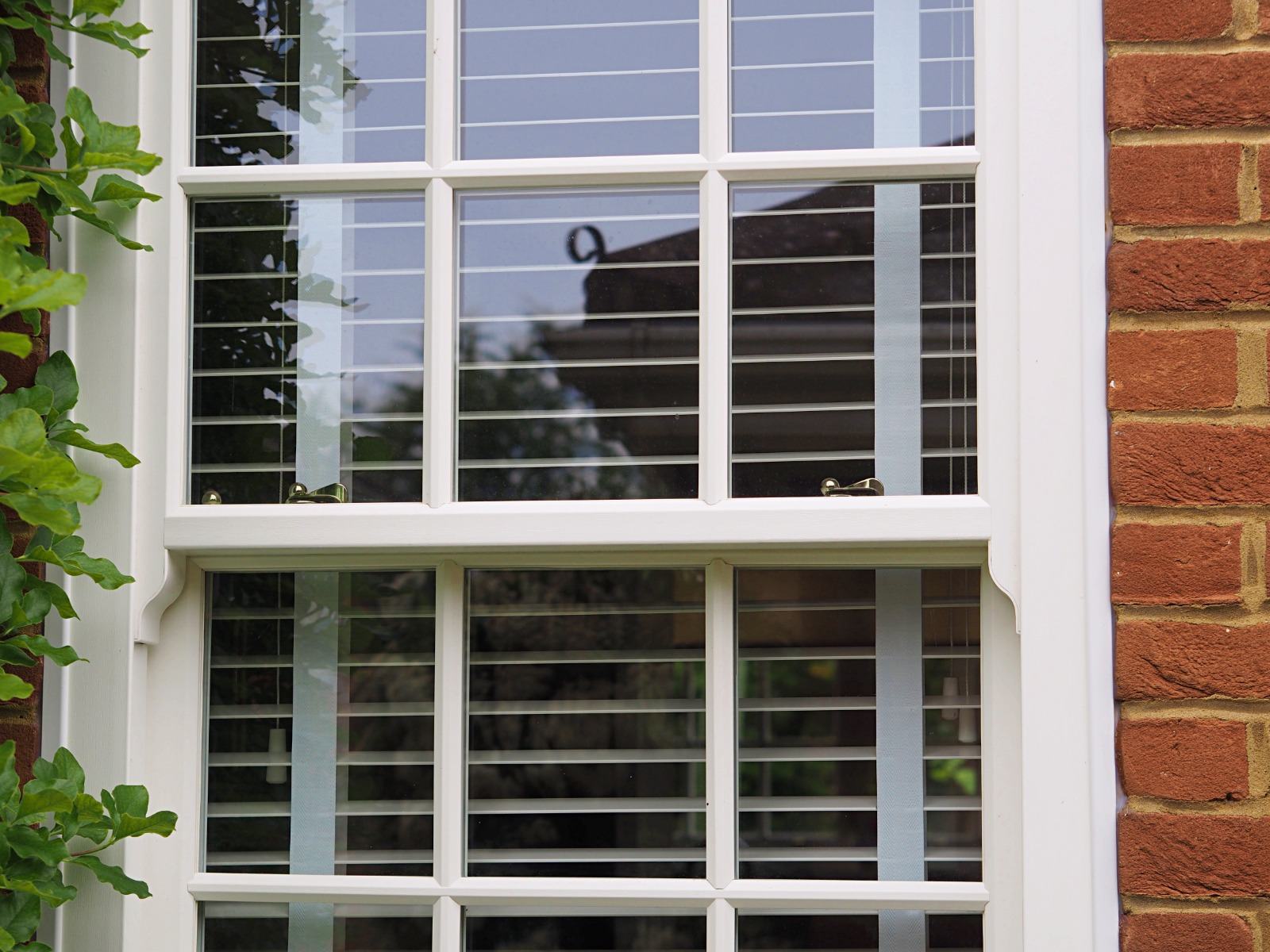
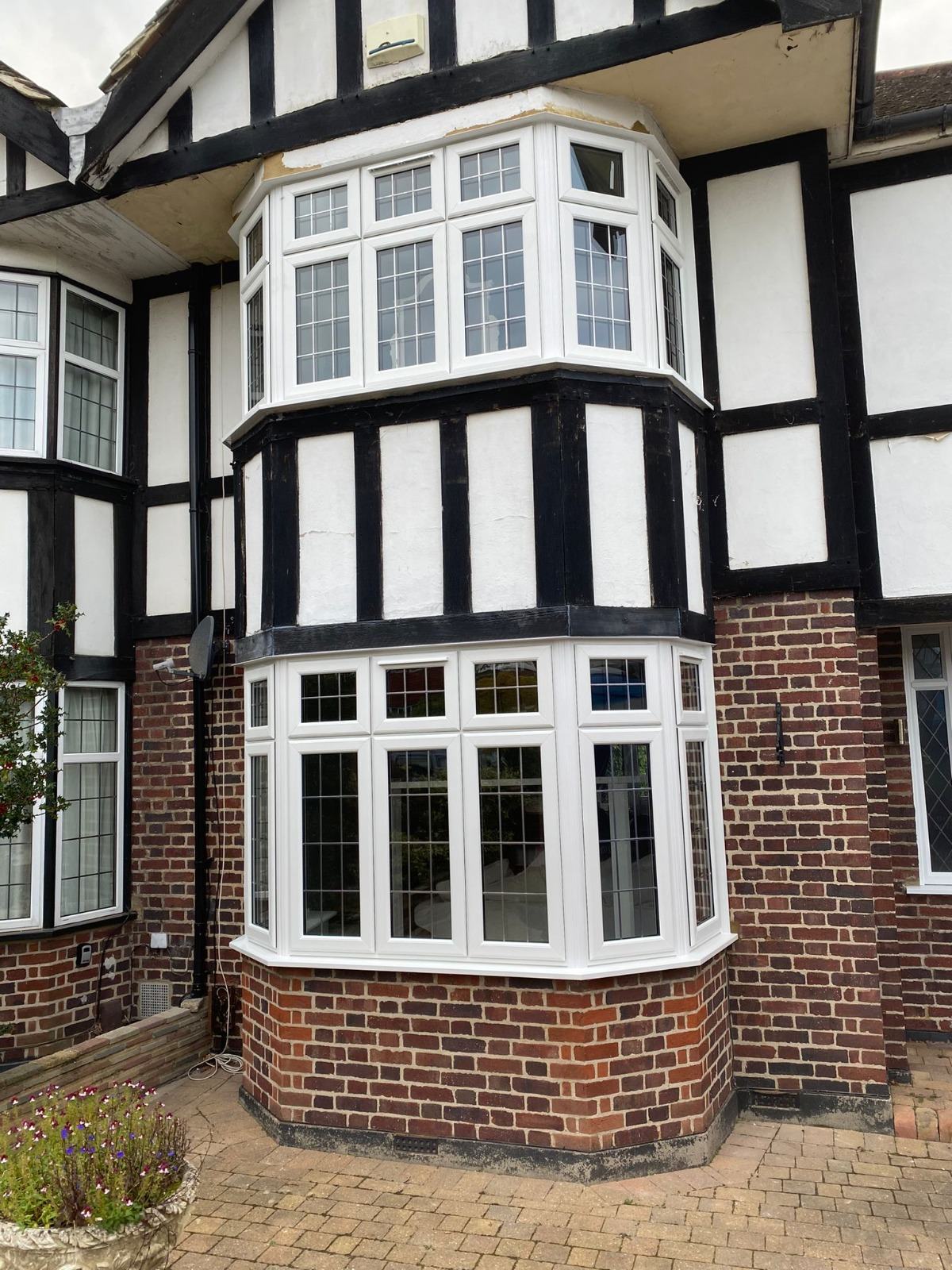
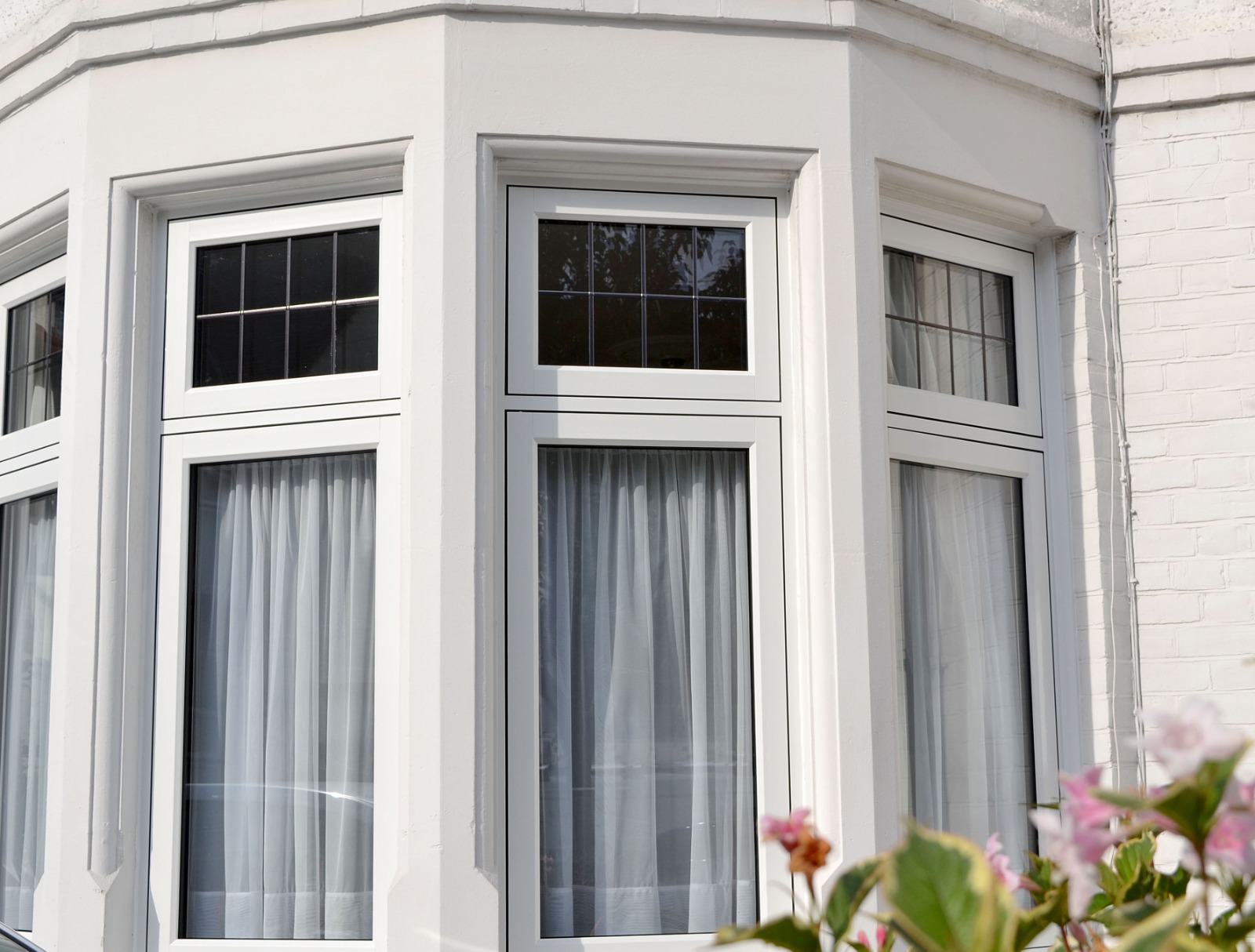
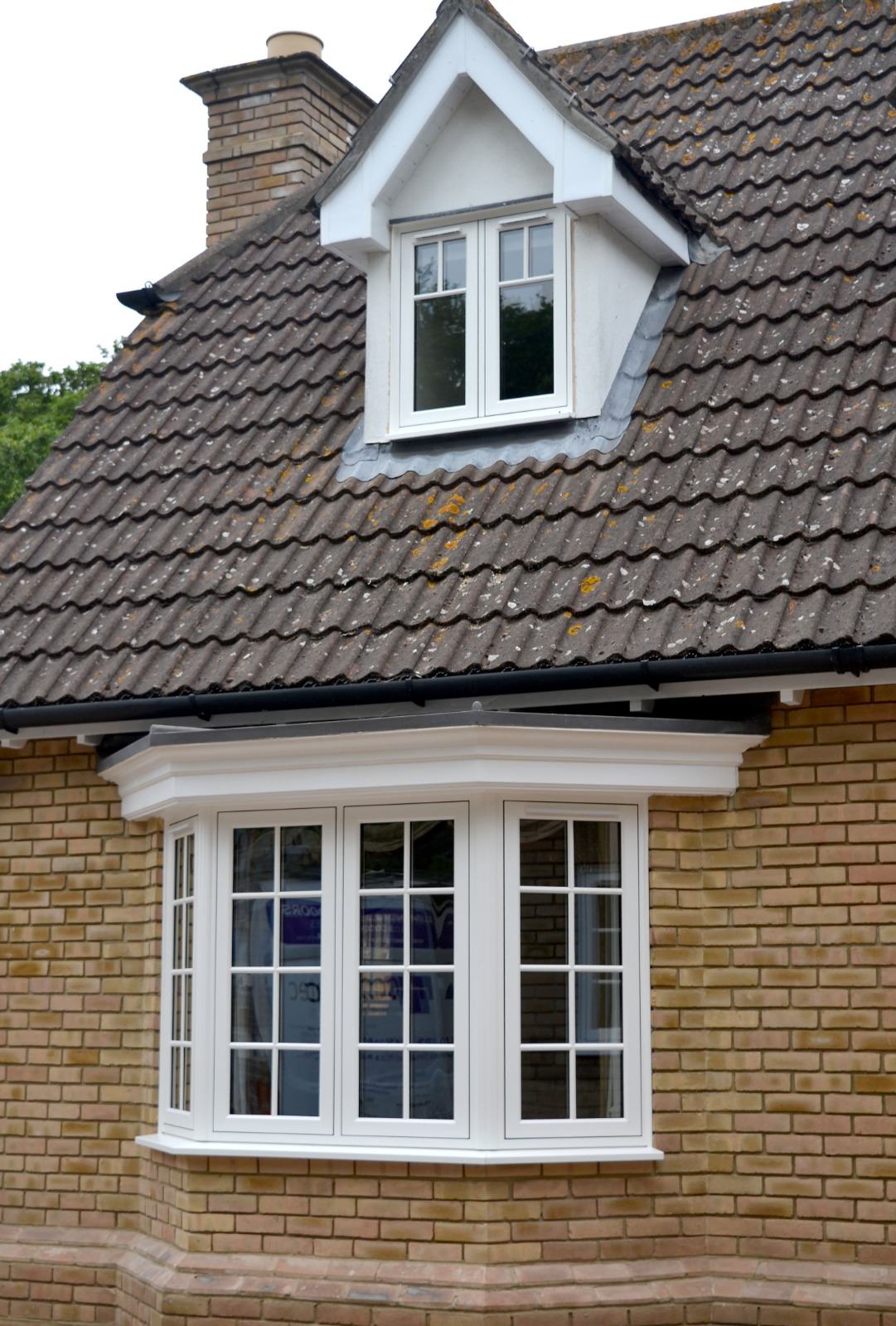
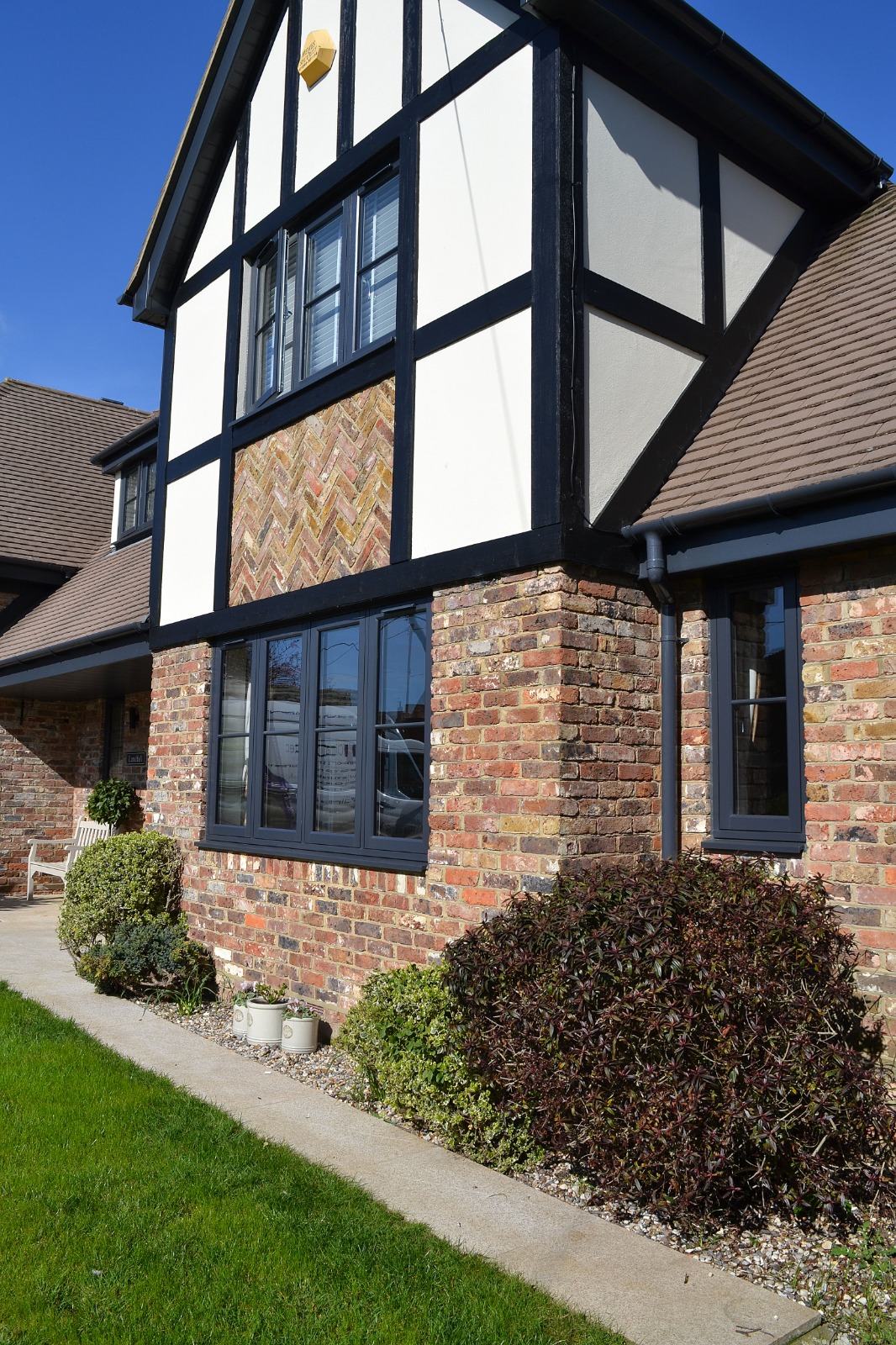
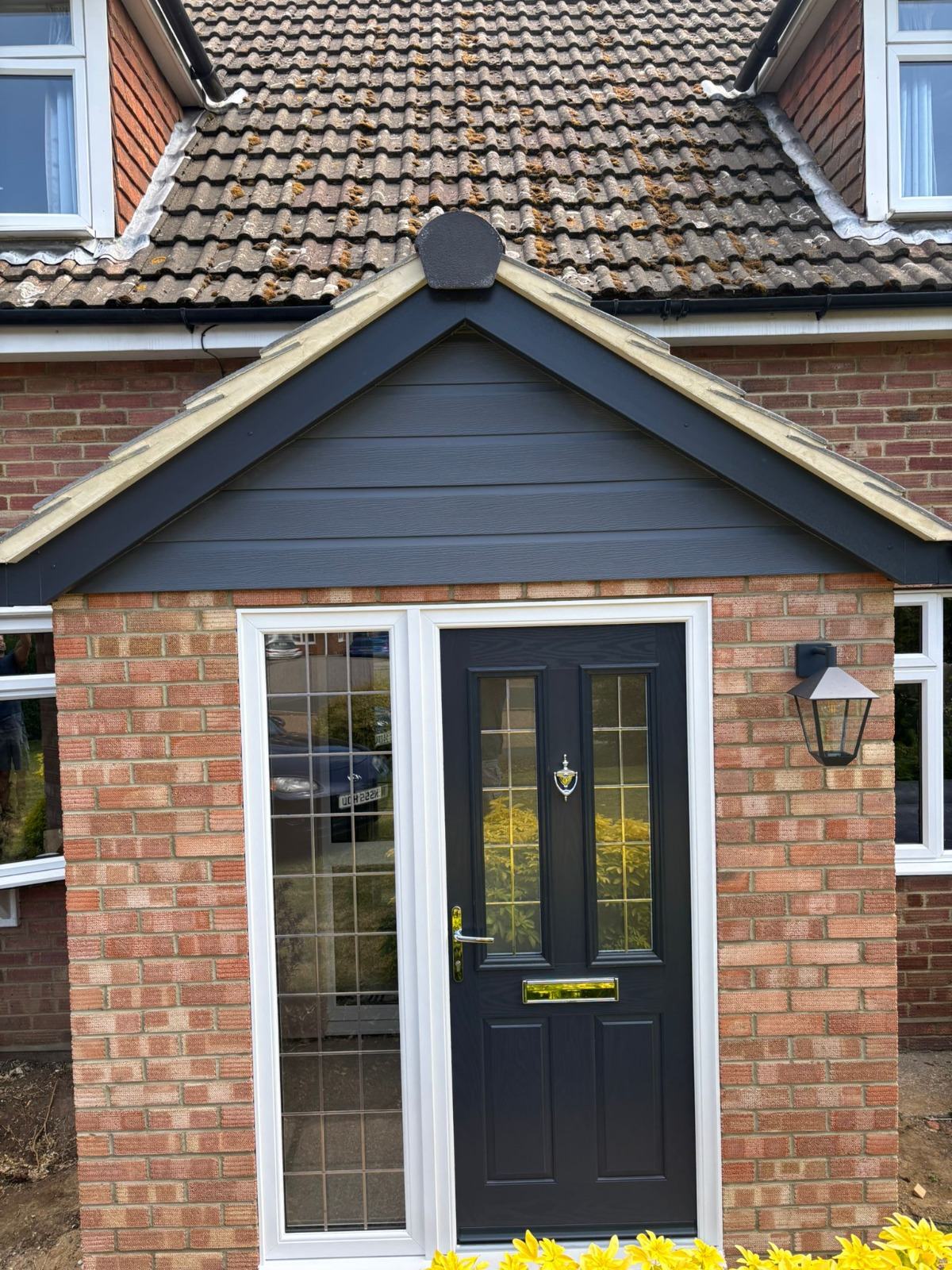
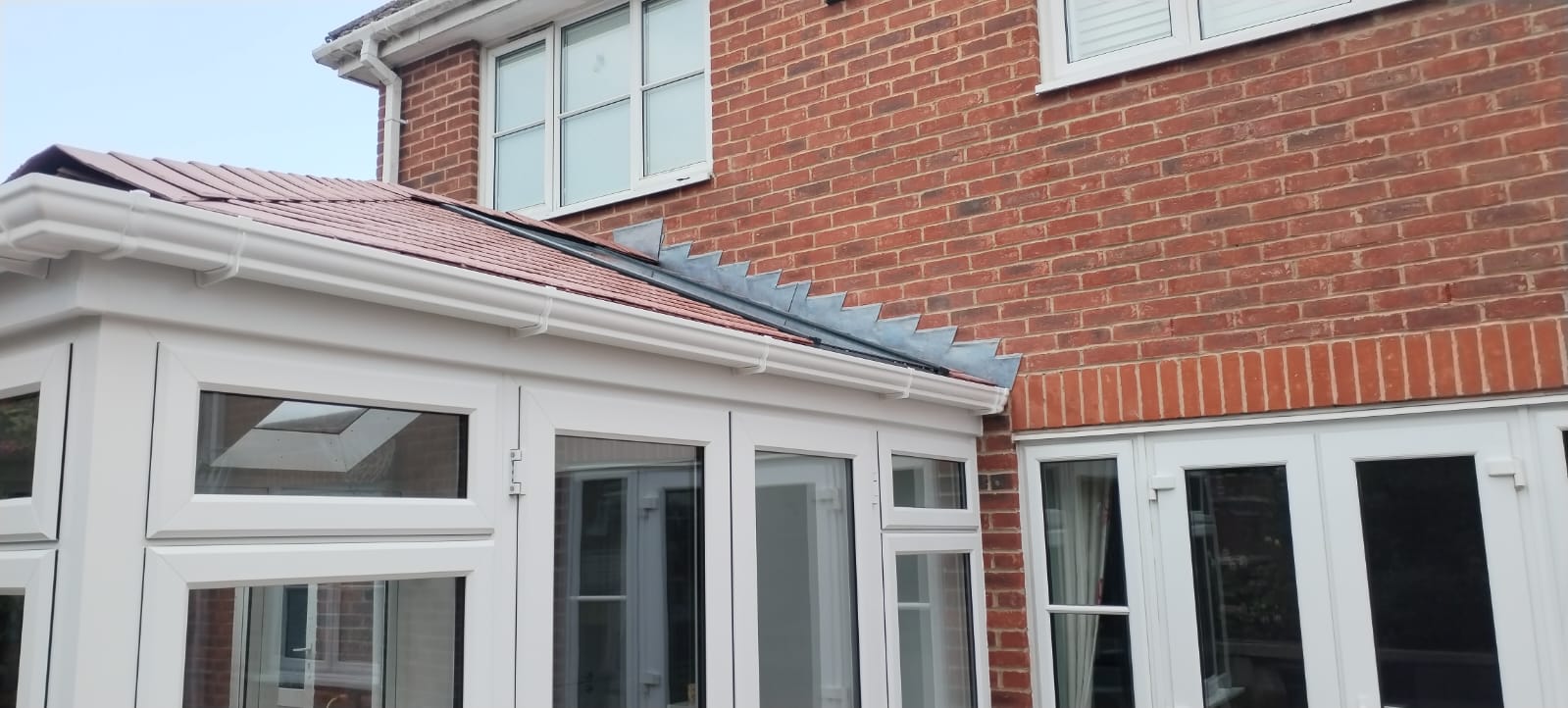
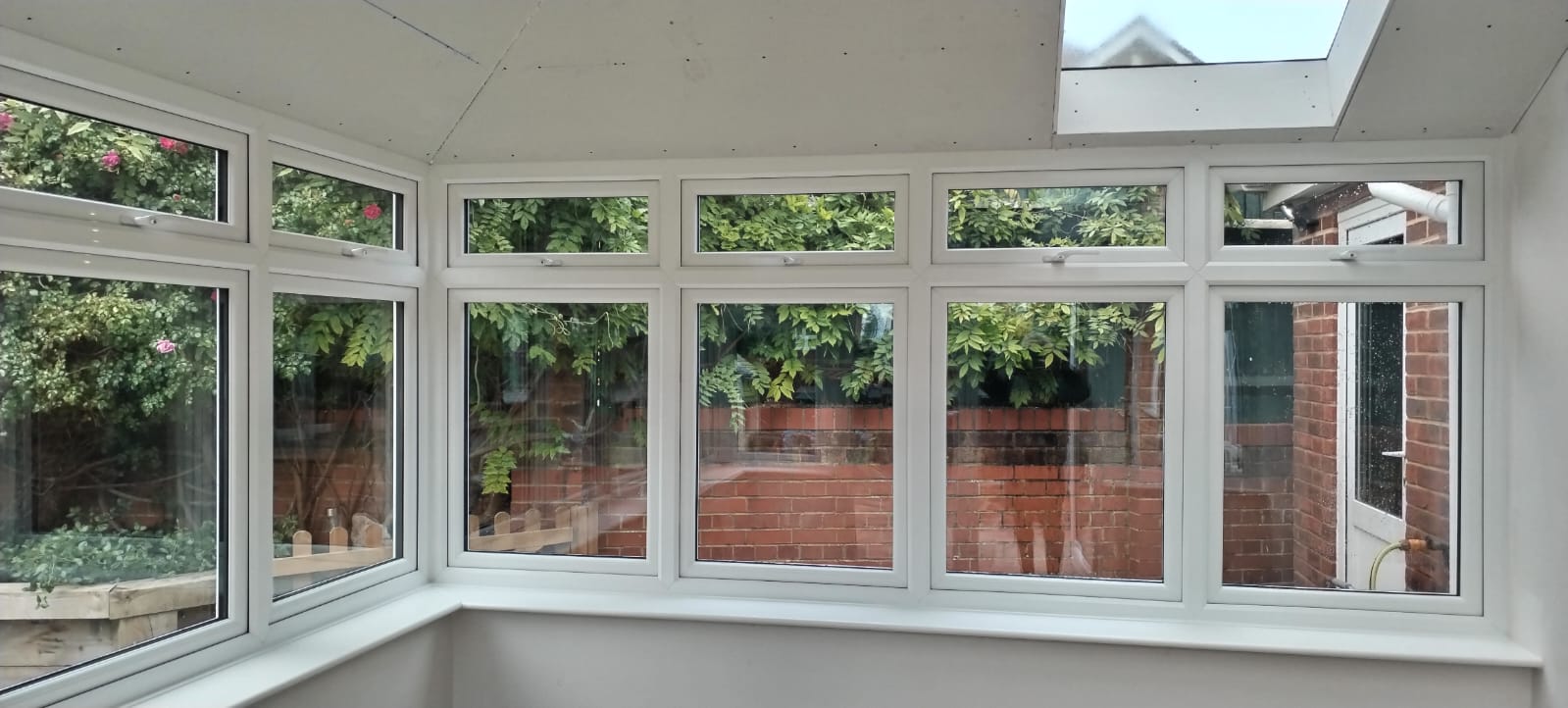
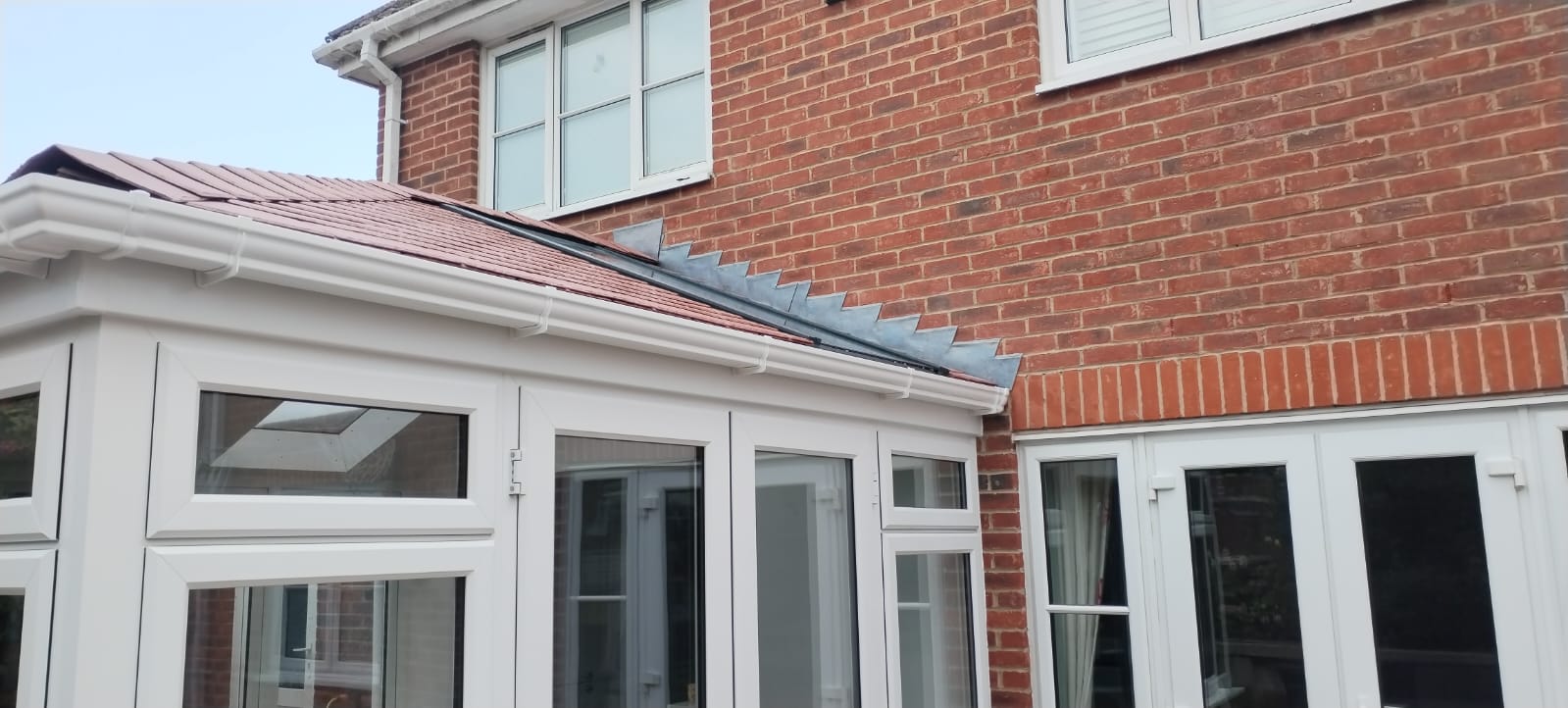
Real photos from projects across Kent, London, Surrey and the South East. Tap through to see the full gallery.

What happens if you leave it
In a block of flats, the entrance door to each dwelling is part of the fire strategy for the whole building. Its job is to contain a fire inside the flat long enough for everyone else to leave and for the fire service to arrive. An old timber door, a modern replacement without certification, or a certified door with the closer removed and the seals painted over does not do that job, whatever it looks like.
The consequences are not theoretical. Fire risk assessments routinely flag flat entrance doors, and a failure notice puts the cost and the deadline on the leaseholder or the landlord. Insurers ask questions after a claim. Under the Regulatory Reform (Fire Safety) Order and the more recent fire safety regulations, responsible persons for blocks of flats have explicit duties around flat entrance and communal fire doors, including regular checks. A door with no certification paperwork is very difficult to defend.
The most common mistake we are called in to correct is a nominally fire-rated leaf hung in a standard frame with standard hinges and no closer, or a certified door set later modified with a cat flap, a new letterplate or an extra lock cut into the leaf. Any of those can void the rating. If you need a compliant door, the whole set and its paperwork have to be right.
From first call to sign-off
- STEP 1
Sales representative visit
One of our sales representatives attends to establish what the door needs to achieve, FD30 or FD60, flat entrance, communal or internal, discuss the finish and ironmongery, and outline indicative pricing.
- STEP 2
Surveyor & fixed written quote
Our surveyor measures the structural opening, checks the existing frame and wall construction, threshold, escape direction and any access control, then issues a fixed written quote for the complete certified door set.
- STEP 3
Specification and compliance check
We confirm the required rating and any smoke-seal requirement (for example FD30S), the closer specification, the ironmongery schedule and glazing where a vision panel is needed, so the assembly stays within its certification. Where a freeholder, managing agent or fire risk assessment sets requirements, we specify to those.
- STEP 4
Manufacture
Certified door sets are made to your surveyed opening with the agreed finish, hardware and seals. We confirm a fitting date as soon as the set arrives.
- STEP 5
In-house fitting team install & documentation
Our employed fitters install the frame plumb and packed with non-combustible material, hang the leaf to the certified gap tolerances, fit the seals, closer and ironmongery as specified, then test the door closes and latches every time. You receive the certification and installation documentation with your 10-year Swift guarantee on the workmanship.
What you actually get
Certified as a complete set
Leaf, frame, seals, hinges, closer and ironmongery supplied and fitted together, so the installed door matches the tested assembly.
Documentation you can hand over
Certification and installation records for your fire risk assessor, insurer, freeholder or managing agent.
Security as well as fire performance
Flat entrance door sets can combine fire rating with multi-point locking, anti-snap cylinders and a security rating, which matters for the door you actually live behind.
Smoke as well as flame
Where required, cold-smoke seals are specified alongside intumescent seals, because smoke is what usually makes an escape route unusable first.
Fitted to the certified instructions
Correct gap tolerances, non-combustible packing, correct hinge grade and count, and a closer that shuts the door onto the latch every time.
One accountable installer
Survey, supply, installation and paperwork are all Swift, with a 10-year guarantee on our workmanship.
Fire Doors, how we specify
Fire door work is governed by the certification of the whole assembly. These are the details that decide whether an installed door actually performs.
FD30, FD60 and smoke seals
FD30 door sets are tested to resist fire for 30 minutes and FD60 for 60 minutes. The suffix S, as in FD30S, indicates cold-smoke sealing as well. Flat entrance doors in blocks are commonly FD30S; higher ratings are specified where the building's fire strategy or a risk assessment requires them. We confirm the requirement before ordering rather than assuming.
The door set is the product
Certification applies to the tested combination of leaf, frame, seals, hinges, closer, latch, letterplate, threshold and any glazing. Swapping the hinges, adding a lock, fitting a non-certified letterplate or replacing the closer can all invalidate it. This is why we supply and fit complete sets rather than hanging a fire leaf in whatever frame is already there.
Installation tolerances and packing
Gaps around the leaf must sit within the certified tolerance, typically a few millimetres, checked with a gauge rather than by eye. The frame is fixed at specified centres and the void between frame and structure packed with non-combustible material, never expanding foam intended for ordinary windows. Intumescent seals must run continuously and unpainted in their groove.
Closers, hinges and ironmongery
A self-closing device is normally required on flat entrance and communal fire doors, and it has to be adjusted so the door closes fully onto the latch from any position, including against a draught or a carpet. Hinges must be the correct grade, number and material, and any hold-open or access-control device has to be a fire-rated type linked to the alarm.
Communal doors, HMOs and access control
Communal entrance and lobby doors bring additional considerations: access control, door entry systems, vision panels in fire-rated glass, escape hardware that works without a key in the escape direction, and, where relevant, accessibility requirements. HMOs have their own licensing standards for doors to bedrooms and escape routes. We quote to whatever standard the local authority or the risk assessment sets.
Duties, checks and what we do not do
Responsible persons in blocks of flats have ongoing duties to check communal fire doors and to make reasonable efforts to check flat entrance doors, at frequencies set by the fire safety regulations. We install certified door sets and provide the documentation. We do not carry out fire risk assessments, and we only carry out repairs and remedial work on doors we originally installed. For any other door we would quote for replacement rather than modify a set whose history we cannot verify.
Common questions
What does FD30 mean?
+
It is a door set tested to resist fire for 30 minutes as a complete assembly. FD60 resists for 60 minutes. An S suffix, as in FD30S, means it also has cold-smoke seals. Flat entrance doors in blocks are commonly FD30S.
How much does a fire door cost, supplied and fitted?
+
Every opening is different, so we do not publish rates. Price depends on the rating, size, finish, glazing, ironmongery, closer specification and access. Request a free survey and we will issue a fixed written quote before any work starts.
Do I need a fire door on my flat entrance?
+
In most blocks of flats, yes, and it is usually a condition of the lease as well as part of the building's fire strategy. Your freeholder, managing agent or the building's fire risk assessment will set the required rating. Tell us what has been specified and we will quote to it.
Can you just supply the leaf and fit it in my existing frame?
+
We do not recommend it, because certification applies to the whole tested assembly, including frame, seals, hinges and closer. We supply and install complete certified door sets so the installed door matches what was tested.
Can a fire door still look like a normal front door?
+
Yes. Certified door sets are available in a wide range of finishes, colours and panel styles, including glazed vision panels in fire-rated glass, so the door suits the property while still meeting the rating.
Can I have a letterplate, a cat flap or an extra lock fitted?
+
Only where the item is part of the certified specification. Cutting a non-certified letterplate, cat flap or additional lock into a fire door after installation can void its rating, so anything of that sort has to be specified before manufacture.
Does it need a door closer?
+
Flat entrance and communal fire doors normally require a self-closing device, adjusted so the door closes fully onto the latch every time. We specify and set it as part of the installation.
Will the door be secure as well as fire rated?
+
Yes. Flat entrance door sets can combine the fire rating with multi-point locking and anti-snap cylinders, and security-rated options are available where a freeholder or insurer asks for them.
Do you supply certification paperwork?
+
Yes. You receive the door set certification and installation documentation, which is what a fire risk assessor, insurer, freeholder or managing agent will ask to see.
Do you carry out fire risk assessments or inspect existing doors?
+
No. We supply and install certified door sets, and we only carry out repairs on installations we originally fitted. Fire risk assessments should be arranged through a competent fire risk assessor.
Do you work for landlords, freeholders and managing agents?
+
Yes, including HMOs, blocks of flats and communal areas. For multiple doors or a whole block, see our trade and contract enquiries page or call 01322 221010.
Do you cover my area?
+
London, Kent, Surrey, Essex and the wider South East, from our base at 215 London Road, Stone, Greenhithe. Call 01322 221010 if you are unsure about your postcode.
Explore related pages
Get a fixed price for your fire doors in writing
Director-level survey, no pressure, and a written fixed price you can compare like-for-like. We get back to you promptly.
FENSA registered·10-year workmanship guarantee· London · Kent · Surrey · South East